



Pets provide joy, companionship, and entertainment. Playful dogs, curious cats, and smaller animals such as rabbits or guinea pigs benefit from a home designed for their safety, comfort, and well-being. A carefully arranged living space allows pets to explore freely while minimizing the risk of accidents and property damage. This guide presents practical pet-friendly home tips, covering areas such as safety, comfort, cleaning, and decorating with clear examples and actionable strategies.
Essential Pet-Friendly Home Tips Every Owner Needs
Understanding Your Pet’s Needs
Before you start transforming your home, it is crucial to understand the needs and behaviours of your pets. Dogs, for example, require space to move, play, and rest. They may also chew furniture or shoes if left without stimulation. Cats, on the other hand, are natural climbers and may enjoy vertical spaces like shelves and cat trees. Small animals such as hamsters and rabbits need enclosures that are safe, ventilated, and easy to clean.
Observing your pets’ habits will help you make smarter decisions. For instance, if your dog tends to get anxious during thunderstorms, consider creating a safe, quiet corner with their favourite blanket or crate. For cats that enjoy climbing, adding window perches or shelves can prevent them from climbing onto areas where they may get hurt or cause damage.

Safety First: Protect Your Pets and Home
A pet-friendly home starts with safety. Pets are naturally curious and can get into trouble if hazards are not adequately managed. One of the most common dangers includes exposed wires. Pets, especially puppies and kittens, may chew on cords, risking electrocution or damage to electronics. Use cord protectors or hide wires behind furniture to keep your pets safe.
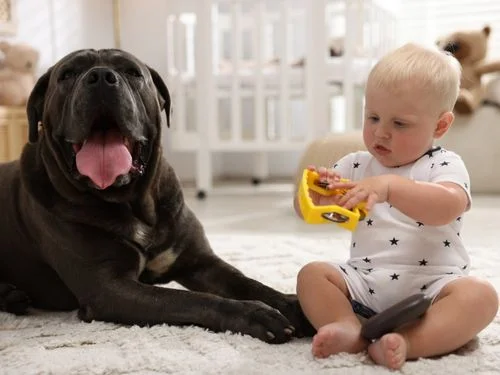
Household chemicals and cleaning products can also pose a threat. Store detergents, bleach, and other chemicals in high cabinets or locked closets that pets cannot access. Similarly, secure small objects that can be swallowed, such as coins, buttons, or small toys, which can lead to choking hazards.
Windows and balconies require special attention. Cats are prone to jumping, so window screens must be secure. Dogs can also injure themselves if left unattended on high balconies. Installing pet-safe barriers or netting can prevent accidents without restricting your pet’s outdoor enjoyment.
For families with multiple pets, consider separating certain areas to avoid conflicts. Feeding stations should be distinct, especially for pets with food aggression. Providing individual beds or crates for each animal helps reduce stress and establishes a safe retreat for each pet.
Choose Pet-Friendly Flooring
Flooring is one of the most important aspects of a pet-friendly home. Pets often leave hair, scratches, or even accidents, so selecting the right material can save you time and money. Hardwood floors look elegant but can be easily scratched by dog claws or cat nails. If you prefer hardwood, consider harder wood species like oak or maple, and apply a durable finish for added protection.
Vinyl, laminate, or tile flooring is highly recommended for homes with pets. These materials are scratch-resistant, easy to clean, and durable. Some modern luxury vinyl flooring options even mimic the look of wood or stone while remaining pet-friendly. Area rugs can add warmth and comfort, but choose rugs that are machine washable or easy to clean. Avoid shag rugs as they can trap pet hair and dirt.
Pet-Friendly Furniture
Your furniture choices should account for your pets’ habits and comfort. Slipcovers and washable fabrics are ideal for sofas and chairs, as they make cleaning up hair and accidents easier. Leather can be durable, but scratches from claws may be visible, so consider synthetic leather or treated fabrics that resist stains and damage.
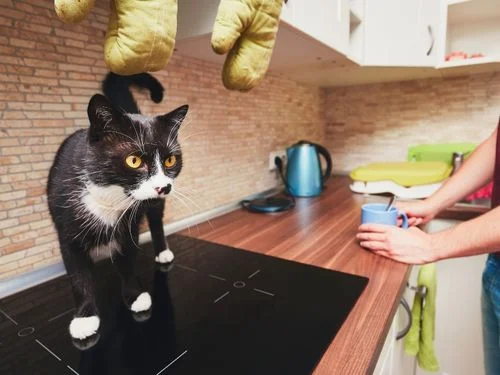
Pet beds should be comfortable and easily washable. Choose beds that suit your pet’s size and sleeping habits. Orthopedic beds are ideal for older dogs, while raised or hammock-style beds can appeal to cats who like to lounge off the floor. Placing beds near sunny spots or quiet corners can make your pets feel secure and encourage them to stay off your main furniture.
Smart Storage for Pet Supplies
Keeping your pet supplies organized helps maintain a clean and stress-free home. Use storage bins or baskets for toys, leashes, grooming tools, and food. Labelling containers can save time and reduce clutter. For cats, consider a covered litter box station that blends with your decor. For dogs, an organized feeding station with bowls, food containers, and mats keeps mealtime neat and manageable.
If space is limited, vertical storage like wall-mounted shelves or over-door organizers can be helpful. Store less frequently used items, such as seasonal pet clothing or travel carriers, out of reach but easily accessible when needed.
Indoor Exercise and Enrichment
Pets need mental and physical stimulation to prevent boredom and destructive behaviours. Dogs require daily walks, but indoor exercise can also be beneficial. Use puzzle toys, treat-dispensing toys, or agility equipment to keep them active. Indoor fetch or tug-of-war games are perfect for rainy days or apartments without outdoor access.
Cats enjoy climbing, scratching, and exploring. Cat trees, climbing shelves, and scratching posts can provide hours of entertainment. Rotate toys regularly to keep them interested and prevent boredom. Smaller pets like rabbits or guinea pigs need supervised playtime outside their cages with safe spaces to explore.
Pet-Safe Plants and Decor
Houseplants and decor can enhance your home’s aesthetic, but some plants are toxic to pets. Lilies, poinsettias, and philodendrons, for example, are dangerous to cats and dogs. Choose pet-safe plants such as spider plants, Boston ferns, or bamboo palms. Place plants on high shelves or in hanging planters if your pets are curious climbers.
Decor should be durable and pet-friendly. Avoid fragile items that can be easily knocked over. Consider heavy or low-maintenance decor that is resistant to bumps or curious paws. You can also create dedicated spaces for your pets, such as a cozy reading nook for cats or a dog corner with toys and blankets.
Cleaning Tips for Pet Homes
Maintaining cleanliness in a pet-friendly home requires some planning. Regular vacuuming is essential to control pet hair and dander. A vacuum with a HEPA filter is particularly effective for allergy-prone households. Lint rollers, rubber brooms, and microfiber mops are also helpful for quick cleanups.
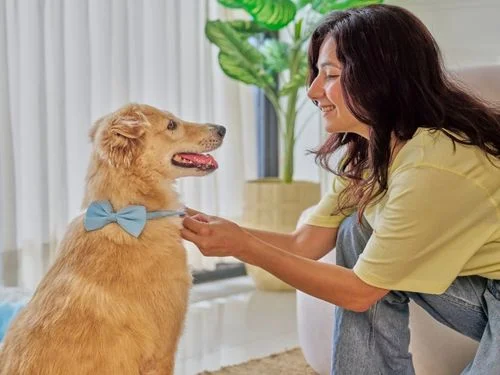
Accidents happen, so having stain and odour removers specifically designed for pets is essential. Enzyme-based cleaners work best for urine and feces stains, breaking down organic matter rather than just masking odours. Wash pet bedding, blankets, and soft toys frequently to prevent bacteria buildup and maintain hygiene.
Regular grooming also reduces shedding and helps maintain a clean home. Brush your pets according to their breed and coat type. Regular nail trimming prevents scratches on floors and furniture, while routine baths keep your pet smelling fresh and healthy.
Pet-Friendly Outdoor Spaces
If you have a backyard or garden, make it safe and enjoyable for your pets. Secure fences and gates to prevent escape, and remove toxic plants or chemicals. Create shaded areas for your pets to relax during hot weather, and provide fresh water at all times.
Consider adding play structures, tunnels, or digging areas for dogs who love to dig. Cats may enjoy enclosed outdoor patios or catios, which allow them to experience the outdoors safely. Outdoor spaces can also serve as an exercise zone, reducing energy and promoting a calmer indoor environment.
Managing Multiple Pets
Homes with multiple pets require extra planning to avoid conflicts and ensure everyone feels comfortable. Establish separate feeding and sleeping areas, and gradually introduce new pets to existing ones. Monitor interactions closely during the first few weeks to prevent stress or aggressive behaviour.
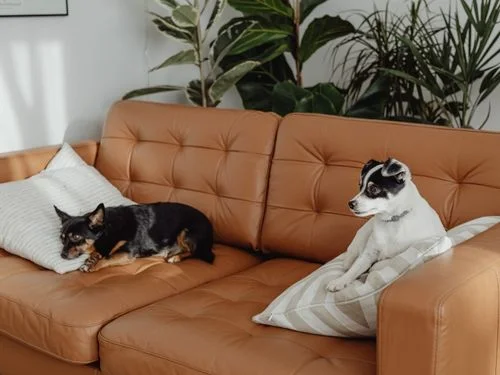
Providing enough toys and stimulation for each pet is essential. Rotate toys and introduce new challenges to keep their minds active. Consider scheduling individual playtime for each pet to reinforce bonding and reduce competition..
Kgorge—Your Backyard, Better Protected and Beautifully Designed
KGORGE turns ordinary outdoor spaces into comfortable retreats you can enjoy all year long. From weather-proof privacy curtains to sun-shielding shade sails and bug-blocking gazebo panels, every detail is made for real outdoor living. Built for protection, privacy, and lasting durability, these essentials let you relax without worry. Visit kgorge.com and upgrade your space in total comfort.
Pet-Friendly Technology
Modern technology offers many solutions to enhance your pet-friendly home. Smart pet feeders, water fountains, and cameras can help monitor and care for your pets when you are away. Automatic litter boxes and self-cleaning kennels reduce maintenance and save time. Pet gates with motion sensors or alarms can prevent pets from entering restricted areas.
Travelling with Pets at Home
Even at home, preparing for pet travel is essential. Keep carriers accessible and in good condition for trips to the vet or boarding facilities. Train pets to feel comfortable in carriers, as this reduces stress during travel: store leashes, harnesses, and essential supplies in a central location for easy access.
Building a Home Your Pets Will Love
Creating a pet-friendly home is about balance. Your goal is to provide a safe, stimulating, and comfortable environment while maintaining a clean and organized living space. Understanding your pets’ needs, choosing pet-friendly materials, and planning your home layout with pets in mind can make a significant difference in their well-being and your peace of mind.
A pet-friendly home does not have to compromise style or functionality. With thoughtful furniture choices, clever storage solutions, and attention to safety, you can enjoy a beautiful home that welcomes your furry friends. Whether it is a cozy cat nook, a dog-friendly backyard, or a small animal play area, every detail contributes to a happier and healthier life for your pets.
Investing time and effort into your pet-friendly home pays off with the comfort, joy, and companionship that pets bring every day. Your house becomes not only a sanctuary for you but also a safe and engaging environment for the pets who share your life.