



Arranging furniture is more than just moving pieces around a room. It is about creating a space that feels comfortable, functional, and visually appealing. Whether you are setting up a new home, redecorating a living room, or optimizing a small apartment, knowing the right furniture arrangement strategies can transform your space. This guide will walk you through practical tips, considerations for different room types, and ways to maximize both style and functionality.
Genius Furniture Arrangement Tips for Stylish, Cozy Rooms
Understanding Your Space
Before moving a single piece of furniture, it is essential to understand the dimensions and shape of your room. Measure the length, width, and ceiling height. Knowing these details allows you to plan effectively and avoid overcrowding or leaving awkward empty spaces. Use a tape measure and sketch a floor plan to scale on paper or with an online tool. This initial step is crucial for maintaining balance and proportion in your room.
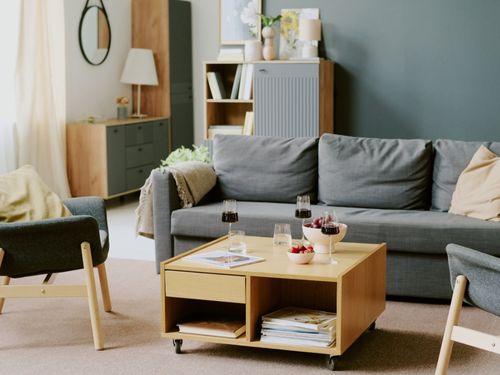
Another consideration is how natural light flows into the room. Identify windows, doors, and the direction of sunlight. Positioning seating areas near natural light sources not only enhances comfort but also highlights your room’s features. For rooms with limited light, consider using mirrors to reflect light and create a more spacious feel.
Prioritize Functionality
Functionality should guide every furniture arrangement decision. Think about how you intend to use each room. For living rooms, ensure seating areas support conversation and viewing of focal points such as a fireplace or television. In dining areas, allow sufficient clearance around tables so chairs can be pulled out comfortably. Bedrooms benefit from furniture that facilitates movement and accessibility, making sure wardrobes, beds, and dressers do not block pathways.
Consider the flow of traffic in your home. People should be able to move freely without bumping into furniture or creating obstacles. Clear pathways not only make a room feel larger but also improve safety, particularly in households with children or elderly residents.
Create a Focal Point
Every room benefits from a focal point that draws the eye and gives a sense of purpose. In living rooms, this could be a fireplace, a large window with a view, or a statement piece of art. Arrange furniture to highlight the focal point. For example, position the sofa facing the fireplace and place chairs to create a conversation circle. In bedrooms, the bed is typically the focal point, so consider arranging other furniture around it to create balance.
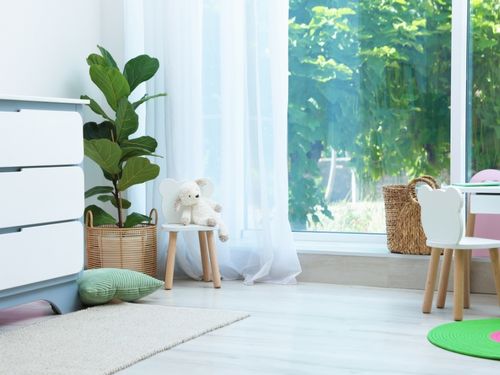
When selecting a focal point, consider scale and proportion. A large sectional should complement the room size without overwhelming other elements. Smaller rooms may benefit from multiple subtle focal points, such as a combination of artwork and a decorative rug.
Balance and Symmetry
Balance in furniture arrangement is not just about aesthetics; it also contributes to the comfort and harmony of a space. Symmetry, where pieces mirror each other, can create a sense of order. For instance, place identical chairs on either side of a coffee table or matching lamps on nightstands. In asymmetrical arrangements, balance is achieved through visual weight. A large sofa can be offset by a tall bookshelf or a grouping of smaller chairs on the opposite side of the room.
Keep in mind that the furniture scale should correspond with the room size. Oversized pieces in a small room can make the space feel cramped, while tiny furniture in a large room can appear lost. Mixing furniture heights and shapes can add visual interest, but always maintain a sense of equilibrium.
Zoning Open Spaces
Open-plan homes can benefit from zoning techniques to create distinct functional areas. Area rugs, furniture placement, and lighting can define zones within a larger space. For example, a sectional sofa with a coffee table can delineate a living area, while a dining table on an adjacent rug defines a dining space. Using furniture to create boundaries helps make open spaces feel organized and purposeful.
In addition to rugs, bookshelves, screens, and low partitions can help separate areas without completely obstructing sightlines. This approach maintains the room’s open feel while providing structure and functionality.
Consider Traffic Flow
Traffic flow is a key element in furniture arrangement. Avoid placing furniture in paths where people naturally walk, such as between doors or in front of closets. Ideally, there should be at least two to three feet of clearance in main pathways. In narrow spaces, opt for furniture with a smaller footprint, such as slim benches, nesting tables, or floating shelves.
Another tip is to arrange furniture to encourage interaction and comfort. In living rooms, create a natural conversation circle rather than lining all furniture against the walls. In bedrooms, ensure that daily routines, such as getting dressed or making the bed, are not obstructed by furniture placement.
Layer Lighting and Accessories
Lighting plays a crucial role in the perception of space and furniture arrangement. Use a combination of ambient, task, and accent lighting to highlight areas of the room. Table lamps, floor lamps, and overhead lights complement furniture placement rather than compete with it. Position reading chairs near task lighting and highlight focal points with accent lighting.
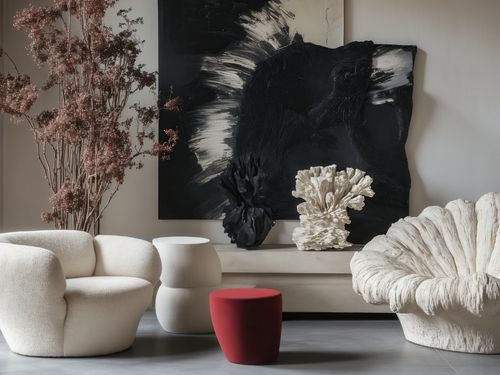
Accessories such as rugs, throw pillows, and artwork can further enhance furniture arrangements. Rugs anchor furniture groups, while pillows and throws add comfort and style. Artwork should be hung at eye level to complement seating arrangements and create visual harmony.
Maximize Small Spaces
Small spaces require careful planning to avoid clutter. Multi-functional furniture, such as storage ottomans, sofa beds, and nesting tables, can save space while maintaining functionality. Use vertical space with shelves, wall-mounted storage, and tall bookcases. Mirrors and light-colored furniture can make rooms feel larger and more open.
When arranging furniture in small rooms, consider floating pieces away from walls to create a sense of depth. A small sofa in the center of a room can define a living area without making it feel cramped. Likewise, corner seating or modular furniture can adapt to changing needs while maintaining a cohesive layout.
Experiment with Different Layouts
Do not be afraid to try different furniture arrangements before settling on a final layout. Move pieces around and test various configurations to find what works best for your space. Take photographs of different setups to compare and evaluate which arrangement feels the most comfortable and visually appealing.
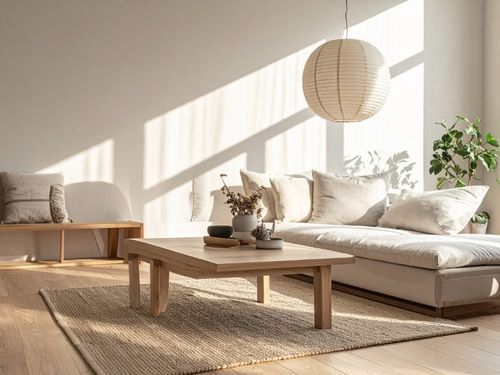
For larger rooms, experiment with multiple seating areas or conversation nooks. In bedrooms, try different bed placements to see how they affect the flow and balance of the room. Sometimes, minor adjustments, such as angling a chair or shifting a side table, can dramatically improve a room’s overall feel.
Emphasize Function in Shared Spaces
Shared spaces such as living rooms and family rooms need furniture arrangements that accommodate diverse needs. If you have children, ensure there is ample space for play while maintaining seating for adults. In rooms that double as workspaces, consider modular furniture or foldable desks that can be tucked away when not in use. Flexibility is key, and furniture should adapt to the way your household uses the space.
Incorporate Personal Style
Finally, furniture arrangement should reflect your personality and style. Whether you prefer minimalist design, cozy eclectic setups, or traditional layouts, your space should feel like home. Incorporate personal touches through artwork, decorative objects, and textiles. These elements complement the functional aspects of furniture arrangement, making the room uniquely yours.
Consider color coordination and material choices to unify the space. For instance, pairing wooden furniture with natural textiles creates a warm, cohesive environment. Mixing metals and textures adds depth and sophistication, while vibrant accents can energize neutral spaces.
Practical Examples
In a living room, try placing a sofa opposite a fireplace with two chairs angled toward it. Add a coffee table in the center and a rug that anchors the seating group. Ensure at least two feet of clearance around furniture for easy movement. Incorporate side tables and lamps to create convenient surfaces and ambient lighting.
In a bedroom, position the bed so it is the first thing you see when you enter, and place nightstands on either side with lamps for symmetry and functionality. Keep pathways clear, and consider a small bench or storage ottoman at the foot of the bed for additional utility.
For open-plan kitchens and dining areas, use a kitchen island or peninsula to separate the cooking and dining zones visually. Arrange the dining table to leave space for chairs to be pulled out comfortably while keeping clear pathways to adjacent areas. Lighting above the dining table and pendant lights over the island can further define each space.
Common Mistakes to Avoid
Some common furniture arrangement mistakes include overcrowding a room, blocking natural pathways, ignoring scale, and neglecting focal points. Overcrowding can make a room feel cluttered and uncomfortable, while blocking pathways creates inconvenience. Choosing furniture that is too large or too small for the room disrupts balance and proportion. Lastly, a room without a focal point can feel disjointed and lacking purpose.
Creating Functional and Stylish Rooms
Arranging furniture effectively is both an art and a science. By understanding your space, prioritizing functionality, considering flow, and emphasizing balance and style, you can create rooms that are both beautiful and practical. Take time to experiment, measure, and plan before moving furniture, and remember to incorporate personal touches that make your home uniquely yours. Whether dealing with small apartments, open-plan layouts, or spacious homes, thoughtful furniture arrangement enhances comfort, efficiency, and the overall atmosphere of any room.