



Interior design in 2025 is defined by contrast, flexibility, and personal expression. Two dominant styles continue to shape homes around the world: minimalist and maximalist interiors. While these aesthetics sit at opposite ends of the design spectrum, both remain highly relevant and widely embraced. Rather than competing, they now coexist, offering homeowners more freedom to shape spaces that reflect individual lifestyles, emotional needs, and values.
Minimalist interiors focus on simplicity, clarity, and calm, while maximalist interiors celebrate abundance, creativity, and storytelling. Choosing between them is not about following rigid rules but about understanding how each style functions in real life. Recent design reviews and trend reports show that many homes now blend elements of both, creating spaces that feel balanced, expressive, and deeply personal.
Understanding the foundations of each approach helps homeowners make informed design decisions that go beyond fleeting trends and support long-term comfort. Exploring minimalist vs maximalist interiors can guide you toward a home that feels both stylish and truly yours.
Minimalist vs Maximalist Interiors: Key Differences
Minimalist Interior Design
Minimalist interior design is rooted in intentional living. The philosophy centers on reducing excess and focusing on what truly matters within a space. In practice, this translates to clean lines, uncluttered layouts, and a restrained color palette.
Minimalist interiors typically feature neutral tones such as soft whites, warm beiges, light grays, and muted earth colors. Furniture is chosen for function and craftsmanship rather than ornamentation. Every piece has a purpose, and negative space is treated as a design element rather than an absence.
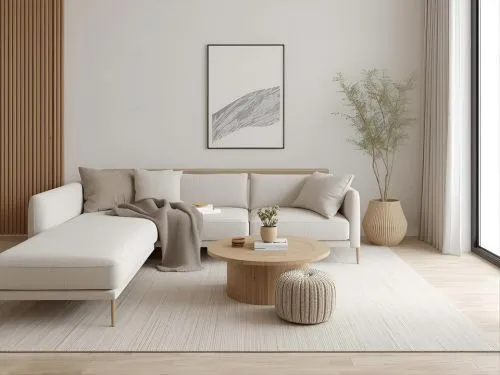
In 2025, minimalism has evolved beyond stark or cold interiors. Designers now emphasize warmth and comfort through natural materials like wood, stone, wool, and linen. This shift, often referred to as warm minimalism, ensures that spaces feel welcoming while retaining visual clarity.
Minimalist homes often prioritize natural light, concealed storage, and open layouts. The result is an environment that feels calm, ordered, and easy to maintain, which appeals to those seeking balance in increasingly busy lives.
Maximalist Interior Design
Maximalist interior design embraces richness, personality, and layered detail. Instead of reducing visual elements, this style builds interest through color, pattern, texture, and curated collections. A maximalist space is expressive and often deeply personal.
In maximalist interiors, walls may feature bold wallpaper, gallery-style art arrangements, or saturated paint colors. Furniture styles can vary widely within the same room, combining vintage, contemporary, and handmade pieces. Textiles are layered through rugs, throws, cushions, and curtains to create depth and warmth.
Maximalism is not about randomness or clutter. Successful maximalist interiors are thoughtfully curated, with attention to balance, rhythm, and cohesion. Each object contributes to the overall story of the space, whether through cultural significance, memory, or aesthetic impact.
In 2025, maximalist design reflects a growing desire for homes that feel joyful, expressive, and emotionally rich. It encourages individuality and resists the idea of uniform, trend-driven interiors.
The Evolving Interior Design Trends Of 2025
Current design trends show that homeowners are no longer confined to choosing a single aesthetic. Hybrid approaches are becoming increasingly popular, allowing spaces to feel both calm and expressive.
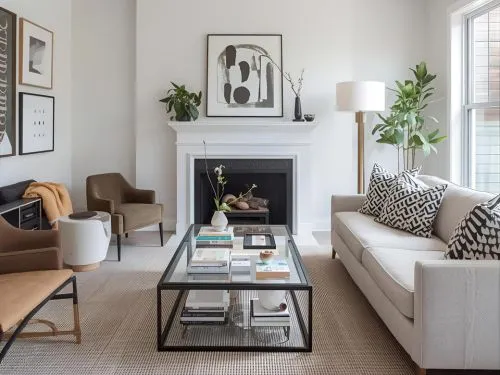
One of the most notable trends is midimalism, which blends minimalist foundations with carefully chosen maximalist accents. This approach typically features neutral backdrops paired with bold artwork, sculptural furniture, or statement lighting. The space remains visually calm while still offering personality and drama.
Warm minimalism also continues to gain momentum. This style maintains minimalist principles but introduces softer textures, warmer tones, and organic materials. It prioritizes comfort and emotional well-being without sacrificing simplicity.
These evolving trends reflect a broader shift toward personalization. Rather than designing homes to fit a specific label, people are designing spaces that respond to how they live, work, and relax.
Key Differences Between Minimalist And Maximalist Interiors
Understanding the fundamental differences between these styles helps clarify which approach may feel more natural and sustainable over time.
Space And Visual Density
Minimalist interiors value open space and visual breathing room. Furniture placement is intentional, and surfaces are kept largely clear. This creates a sense of order and reduces sensory overload.
Maximalist interiors embrace visual density. Walls, shelves, and floors may be layered with décor, art, and textiles. The focus is on richness and immersion rather than restraint.
Color And Pattern
Minimalist spaces rely on limited color palettes and subtle tonal variation. Patterns, if present, are understated and often appear through texture rather than print.
Maximalist spaces celebrate bold color combinations and pattern mixing. Florals, geometrics, stripes, and global motifs often coexist within the same room.
Function And Expression
Minimalism emphasizes function and efficiency. Furniture and décor are selected for utility, longevity, and simplicity.
Maximalism prioritizes expression and storytelling. Objects are chosen for their emotional value as much as for their practicality, creating spaces that feel layered and lived-in.
Popular Brands And Products For Minimalist Interiors
Minimalist design benefits from high-quality pieces that stand the test of time. Several brands are consistently recommended in 2025 for their craftsmanship and understated aesthetic.
Muji remains a staple for minimalist interiors, offering functional furniture, storage, and home accessories with clean lines and neutral tones. Its modular systems support clutter-free living.
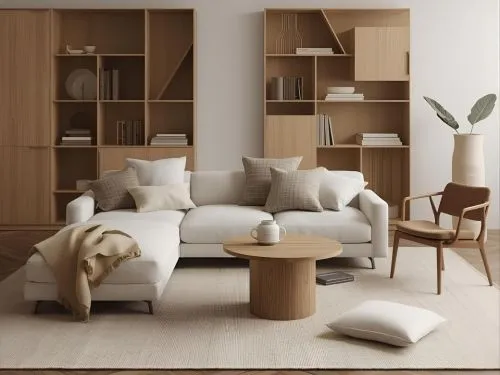
Audo Copenhagen, formerly known as MENU, provides sculptural furniture and lighting that blends modern form with warmth. These pieces often serve as subtle focal points without overwhelming a space.
Zara Home offers accessible minimalist décor, including linen bedding, ceramic accessories, and soft textiles that complement warm minimalist interiors.
Ethnicraft and Ferm Living are also frequently highlighted for their use of natural materials and timeless design, making them ideal for minimalist homes focused on longevity.
Recommended Elements And Brands For Maximalist Interiors
Maximalist interiors thrive on bold choices and creative layering. Certain brands and décor categories align particularly well with this aesthetic.
Jungalow by Justina Blakeney is known for vibrant patterns, earthy ceramics, and globally inspired designs. Its products encourage mixing color, texture, and plant life.
Anthropologie Home offers expressive furniture, artistic lighting, and richly detailed textiles that add character and visual interest.
CB2 provides sculptural furniture and statement pieces that anchor maximalist spaces while maintaining modern appeal.
Vintage and secondhand finds also play a significant role in maximalist interiors. Antique rugs, thrifted art, and restored furniture add authenticity and depth that cannot be replicated through mass production.
How To Choose The Right Vibe For Your Home
Choosing between minimalist and maximalist interiors begins with understanding lifestyle needs and emotional preferences.
Lifestyle And Maintenance
Minimalist interiors are well-suited to those who value ease of maintenance and visual calm. Fewer objects mean less cleaning and easier organization.
Maximalist interiors may require more upkeep and curation but offer a richer sensory experience. For those who enjoy decorating and evolving their space, this approach can be deeply satisfying.
Emotional Impact
Minimalist spaces often feel serene and grounding. They support relaxation and focus, making them ideal for bedrooms, home offices, and wellness-focused environments.
Maximalist spaces tend to feel energizing and joyful. They can inspire creativity and foster emotional connection, particularly in living rooms and creative studios.
Room Size And Layout
Large open-plan spaces often benefit from minimalist design to avoid feeling overwhelming. Smaller rooms can embrace maximalism through curated accents and wall art without sacrificing functionality.
Blending Minimalist And Maximalist Styles With Intention
Many homes in 2025 successfully blend both styles. This balanced approach allows for calm foundations paired with expressive highlights.
A neutral minimalist base can support bold art, patterned textiles, or sculptural furniture without feeling chaotic. Limiting expressive elements to a few key pieces ensures cohesion.
Midimalism offers a framework for this balance. It encourages restraint in layout and color while allowing for impactful moments that reflect personal taste.
Sustainability And Longevity In Minimalist And Maximalist Design
Sustainability has become a core consideration in interior design, influencing both minimalist and maximalist approaches.
Sustainability In Minimalist Interiors
Minimalist design naturally supports sustainability by promoting fewer, higher-quality purchases. In 2025, minimalist homes often prioritize durable materials, ethical sourcing, and timeless design.
Solid wood furniture, natural stone surfaces, and high-quality upholstery are common choices. Brands such as Ethnicraft, Artek, and Ferm Living are frequently recommended for their commitment to responsible production and longevity.
Thoughtful storage solutions also support sustainable minimalism by reducing clutter and discouraging unnecessary consumption.
Sustainability In Maximalist Interiors
Maximalist design embraces sustainability through reuse and storytelling. Vintage furniture, secondhand décor, and heirloom pieces are central to this approach.
Rather than constantly buying new items, sustainable maximalism focuses on curating meaningful collections. Handmade objects and artisan products support small-scale production and reduce environmental impact.
This approach values creativity and individuality while minimizing waste.
Timeless Design And Emotional Sustainability
Timeless design is a shared value across both aesthetics. Homes designed around personal taste rather than fast trends are more likely to endure.
Emotional sustainability is equally important. Minimalist interiors support mental calm, while maximalist interiors foster joy and self-expression. Spaces that feel meaningful are less likely to undergo frequent redesigns, making them more sustainable over time.
Choosing A Home That Reflects You
Minimalist and maximalist interiors offer distinct yet equally valid approaches to creating a home. Minimalism provides clarity, calm, and simplicity. Maximalism offers richness, creativity, and personal storytelling.
Design trends in 2025 show that the most successful interiors are not defined by strict rules but by thoughtful choices that reflect lifestyle, emotion, and values. Whether embracing one style fully or blending elements of both, the goal remains the same: to create a space that feels comfortable, expressive, and enduring.
Choosing the right vibe is ultimately about creating a home that supports everyday life while offering beauty, meaning, and balance.