



Choosing the right paint color for a bedroom can set the mood for the entire space. Men’s bedroom paint color ideas are especially important because they help define the personality of the room while making it feel calm, modern, and inviting. Painting a bedroom isn’t just about picking a favorite shade; it’s about creating a backdrop that supports relaxation, style, and daily life.
Many of today’s designers draw inspiration from Scandinavian design to create bedrooms that feel both stylish and serene. Scandinavian design is known for its clean lines, muted palettes, and focus on natural light. It often blends simplicity with warmth in ways that make any bedroom look put together without feeling cold or sterile. The right paint color can bring those same qualities into a man’s bedroom, whether the goal is a minimalist retreat or a rich, expressive personal space. Trends in bedroom paint color are evolving toward earthier, nature‑inspired tones that enhance comfort and aesthetic balance, and this guide highlights the best ideas available.
Why Paint Color Matters In A Bedroom
The paint color of a bedroom affects both mood and function. A restful environment invites better sleep, helps occupants unwind after a long day, and makes the room feel visually cohesive with furniture and decor. Designers now emphasize colors that evoke a sense of calm and personality rather than strict trendiness. Colors that feel too bright or artificial are being replaced with shades that bring depth without overwhelming.
For bedrooms with Scandinavian design influences, the right paint can enhance light and space. Light walls help reflect daylight, making rooms feel brighter and more open. Deeper tones can bring warmth and sophistication when paired with natural wood furniture and textiles. The key is choosing hues that feel intentional and comfortable.
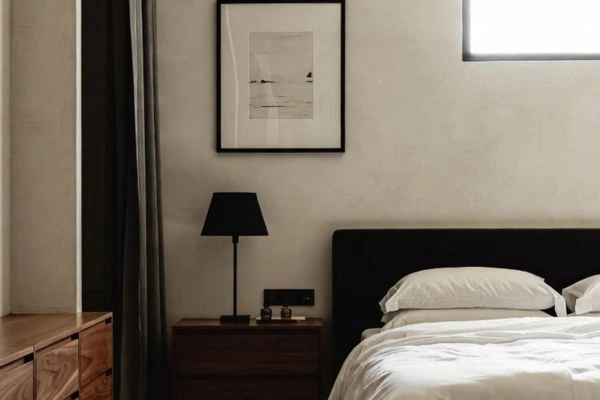
Color psychology plays a role as well. Soothing tones like muted greens or warm neutrals can support relaxation and lower stress, while richer colors can ground the space and make it feel more personal. Rather than following fleeting trends, seek colors that feel timeless and that support how the space will actually be used.
Bedroom Paint Color Ideas for Every Mood and Style
Soft Neutrals And Scandinavian Calm
Soft neutrals are a staple of Scandinavian design. They help create a bright, peaceful bedroom without looking bare or unfinished. Shades such as warm white, cream, and pale gray work well to reflect light and keep the space feeling open. These tones provide a blank canvas for bedding, artwork, and accent furniture while still maintaining calm.
Warm neutrals like beige or greige (a mix of gray and beige) are trending because they offer a balance between brightness and warmth. These colors don’t compete with textures and materials in the room. They also pair beautifully with wood or woven textiles, making the space feel more grounded. Martial neutrals serve as the perfect backdrop for minimalist or layered decor and can be easily updated with new accents without repainting.
Soft neutrals also offer flexibility. A shade that reads warm in morning light might feel more neutral in the evening, making it ideal for people who value versatility in their spaces. These hues can help a bedroom feel inviting all day long.
Earthy Tones For A Relaxed Feel
Natural, earthy colors are gaining popularity for bedrooms that want a sense of calm without feeling predictable. Muted greens, soft olive, and tan shades create harmony with natural materials and textures. These colors bring the feeling of nature indoors, making the room feel restful and grounded.
Earthy greens like sage or moss work especially well in a man’s bedroom because they balance boldness and subtlety. These shades don’t overwhelm but have enough depth to look intentional. Earthy tones pair beautifully with raw wood decor and matte finishes, which are common in rooms that draw on Scandinavian design principles.
Warm brown and sandy hues can also make a bedroom feel serene. They offer a cozy, enveloping feel that complements neutral furniture and textiles. Painting a bedroom in earthy tones can transform a simple space into a layered, inviting retreat.
Sophisticated Blues And Muted Shades
Blue has always been a go‑to option for bedroom paint because of its calming nature. In recent trends, deeper blues like navy or slate blue are used to add sophistication while still creating a restful vibe. These colors work well in rooms with plenty of natural light, reflecting it in a way that feels balanced and rich.
Slate blue or dusty blue works especially well with lighter trim or furniture. It gives a soft contrast without feeling stark. This type of blue can play beautifully with warm neutrals or earthy accents, bridging the gap between calming and expressive. It’s a choice that works for both minimalist and more eclectic interiors.
Lighter blue shades can make smaller bedrooms feel more open and airy. Pale blue works much like soft white but introduces just a hint of color. These tones are perfect if brightness and openness are priorities.
Bold And Dark Colors For Depth
Dark colors like charcoal or even muted black tones can bring a sense of drama and depth to a bedroom, especially when used as accent walls or to frame architectural features. These tones provide a strong backdrop that can highlight lighter furniture, metal accents, and textiles.
Charcoal gray or deep navy can work well in larger bedrooms where the goal is a cozy, intimate feel. These shades make the room feel more personal and can visually anchor the space. Pairing dark walls with good lighting and lighter accent elements ensures the room doesn’t feel too heavy or closed in.
While bold tones aren’t for everyone, they can be striking when balanced with lighter shades in furniture or decor. An accent wall painted in a deep color becomes a focal point and adds personality without overpowering the entire room.
Accent Walls And Creative Techniques
Accent walls are a clever way to introduce bold or expressive color without committing to an entire room. A single wall in a rich hue can add personality, depth, and artistry. Dark greens, muted reds, or deep blues often work best for accent walls because they anchor the space without overwhelming it.
Color blocking or subtle variations of a dominant color can also add dimension to a space. For example, a slightly darker shade above a chair rail can make a room feel more architectural and sophisticated. Designers also use techniques such as painting trim or recesses in complementary tones to enhance visual interest.
Accent walls work especially well in bedrooms with lots of light or architectural features like large windows or built‑in shelving. They help draw attention to design elements that might otherwise go unnoticed.
Lighting Tips To Complement Your Paint
Natural and artificial lighting play a big role in how paint colors actually look on walls. Before choosing a paint color, consider how light enters your room throughout the day. Light direction affects the warmth and coolness of paint, so samples are essential.
South‑facing rooms get warm light most of the day, making cooler or deeper tones appear richer. In rooms with less natural light, warmer neutrals and muted earthy tones can counteract a grayish hue. Artificial lighting also matters. Warm white bulbs help paint colors feel softer and more inviting, while daylight bulbs might make some shades look harsh.
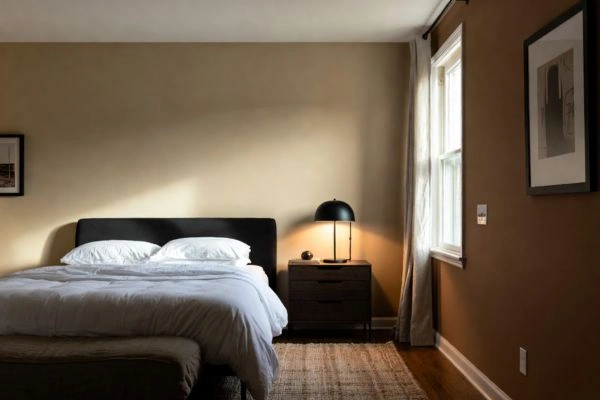
Always test paint samples on the same walls you plan to paint and observe them at different times of day. This simple step helps avoid surprises after the full walls are painted.
Choosing Finishes And Materials
The finish of the paint affects how the color reads in a space. Matte or flat finishes absorb light and make colors feel softer, while satin and eggshell finishes reflect light and appear more vibrant. In bedrooms, many designers recommend matte or eggshell for walls because these finishes create a calm, sophisticated atmosphere while hiding minor imperfections.
When paired with Scandinavian design elements like natural wood and minimalist decor, matte finishes help reinforce an understated elegance. For trim and doors, satin finishes add subtle contrast.
Textured walls, wallpapers, and tactile accents also play a role. When used sparingly, these can enhance the visual depth of paint colors, especially in rooms with characteristic elements like built‑in shelves or architectural niches.
Final Touches For A Cohesive Bedroom
Once the walls are painted, the rest of the room should support the chosen palette. Bedding, rugs, and art should pick up tones from the paint to create harmony. Natural fibers like cotton and wool, along with wooden furniture, enhance warmth and comfort. Accessories in metal, leather, or woven materials add character and balance.
Plants can complement earthy tones, bringing life and texture into the space. Soft textiles like throws and area rugs add layers that make the bedroom feel complete. Thoughtful decor ensures the paint color isn’t just a backdrop, but a foundation for intentional design.
Build A Bedroom You Enjoy
Choosing bedroom paint is about more than trends. It’s about creating a space that feels tranquil, personal, and beautiful. From soft neutrals inspired by Scandinavian design to richer earth tones and bold accent walls, men’s bedroom paint color ideas offer options for every style and mood. By considering light, texture, and how the color interacts with decor, it’s possible to create a bedroom that feels like a true retreat. Whether the goal is minimalist simplicity or expressive depth, the right paint color sets the foundation for a space you will enjoy every day.