



Indoor plants have become more than just a decorative element in homes. They are living companions that can enhance the ambiance, improve air quality, and boost mental well-being. Whether you are a seasoned plant parent or just starting your indoor gardening journey, there are several tips and strategies to ensure your plants thrive. From choosing the right plants to understanding care routines, creating a plant-friendly home environment is both rewarding and manageable.
Expert Indoor Plant Tips for a Lush, Healthy Home
Choosing the Right Indoor Plants
Selecting the right plant is the foundation of successful indoor gardening. Not all plants are suitable for every home, as light levels, temperature, and humidity can vary significantly between spaces. Some plants thrive in bright, indirect light, while others tolerate low-light conditions. For beginners, low-maintenance plants such as pothos, snake plants, or ZZ plants are ideal. These plants can withstand occasional neglect, making them perfect for busy lifestyles.
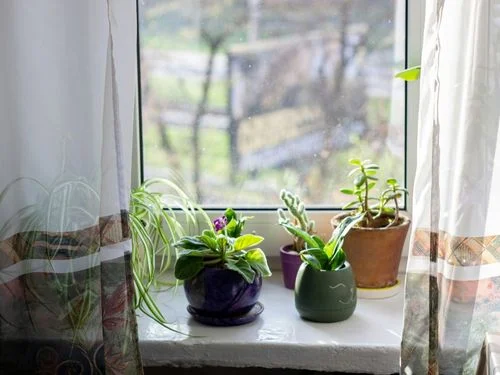
If you prefer flowering plants, African violets and peace lilies are excellent choices for indoor blooms. They provide vibrant colours and improve indoor air quality. Another factor to consider is the size of the plant. Tall, leafy plants like fiddle leaf figs or monstera can serve as statement pieces, while small succulents or air plants fit perfectly on shelves and desks. Choosing plants that match your living space and lifestyle ensures both aesthetics and practicality.

Understanding Light Requirements
Light is one of the most critical factors for indoor plant health. Most indoor plants require bright, indirect sunlight to grow optimally. Placing plants near east-facing or south-facing windows usually provides sufficient light without exposing them to harsh rays. For rooms with limited natural light, artificial grow lights can help supplement the plant’s needs. Full-spectrum LED lights are energy-efficient and mimic natural sunlight, making them an excellent choice for indoor gardening.
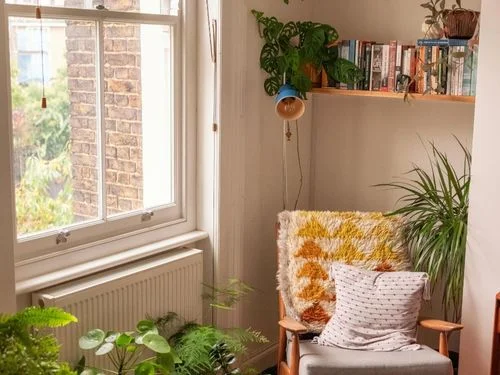
It is essential to monitor your plants for signs of inadequate lighting. Yellowing leaves, slow growth, or leggy stems can indicate insufficient light. Conversely, scorched leaves or brown edges may mean the plant is receiving too much direct sunlight. Adjusting the plant’s location and observing how it responds will help create the ideal lighting environment for long-term health.
Watering Tips for Healthy Plants
Watering is another key aspect of indoor plant care. Overwatering is one of the most common mistakes that new plant owners make. Each plant has its own water requirements, and factors such as pot size, soil type, and indoor humidity play a role in how often watering is needed. A good rule of thumb is to check the top inch of the soil before watering. If it feels dry, it is time to water. If it is still moist, it is best to wait a few days.
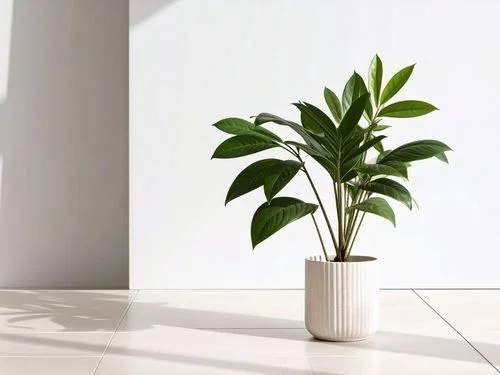
Some plants, such as succulents and cacti, require less frequent watering due to their water storage capabilities. Tropical plants, on the other hand, may prefer consistently moist soil. Using pots with drainage holes prevents water from accumulating at the bottom and causing root rot. A well-draining soil mix also contributes to overall plant health by allowing air circulation around the roots.
Maintaining Humidity and Temperature
Indoor plants are sensitive to both humidity and temperature. Many tropical plants, such as ferns and calatheas, prefer higher humidity levels. Dry indoor air, especially during winter when heating systems are used, can cause leaves to brown or curl. Increasing humidity can be achieved by using a humidifier, placing plants on a tray of water with pebbles, or grouping plants. These methods create a microenvironment that supports healthy growth.
Temperature also plays a significant role. Most indoor plants thrive in temperatures between 65 and 75 degrees Fahrenheit during the day and slightly cooler at night. Avoid placing plants near drafts, heaters, or air conditioning vents, as sudden temperature changes can stress them. By maintaining a stable and suitable environment, your plants can flourish throughout the year.
Fertilizing and Soil Care
Indoor plants require nutrients to grow strong and vibrant. Fertilizing should be done during the plant’s active growing season, usually spring and summer. A balanced, water-soluble fertilizer is ideal for most plants. For flowering plants, a fertilizer higher in phosphorus encourages blooms. Over-fertilizing can damage roots, so following the instructions on the product label is essential.
Regular soil maintenance also contributes to plant health. Refreshing the top layer of soil or repotting every year or two ensures that plants have access to fresh nutrients and enough space for root growth. Choose a potting mix suitable for the plant type, whether it is cacti, orchids, or general indoor plants. Healthy soil translates into healthy plants.
Pruning and Plant Grooming
Pruning is not only a way to shape plants but also a crucial step in promoting growth and removing unhealthy parts. Removing yellowed, wilted, or dead leaves prevents disease from spreading and encourages new growth. Pinching off the tips of stems can help bushier plants develop a fuller appearance. For climbing or trailing plants, using trellises or supports allows them to grow in a controlled and aesthetically pleasing manner.
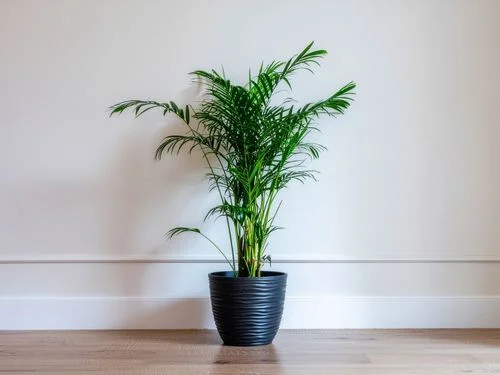
Regular grooming also involves wiping dust off leaves. Indoor dust can block sunlight and reduce the plant’s ability to photosynthesize efficiently. A gentle wipe with a damp cloth or a soft brush restores leaf brightness and maintains plant health. Grooming becomes a small but meaningful ritual in indoor gardening.
Pest Control in Indoor Spaces
Even indoor plants are not immune to pests. Common culprits include spider mites, aphids, and mealybugs. Preventing infestations starts with inspecting new plants before bringing them home. Quarantining new plants for a week or two ensures that pests do not spread to your existing collection.
If pests appear, natural remedies often work effectively. For example, spraying a mixture of water and mild dish soap can remove aphids, while neem oil can treat various pests without harming the plant. Maintaining cleanliness and avoiding overwatering also reduces the risk of pest problems, keeping your indoor garden healthy and thriving.
Creative Indoor Plant Displays
Beyond care, the way plants are displayed can transform your living space. Mixing plants of different heights, textures, and colours creates visual interest and a dynamic environment. Hanging planters, wall-mounted pots, and terrariums are excellent for small spaces or apartments. Large floor plants can define areas and act as natural room dividers.
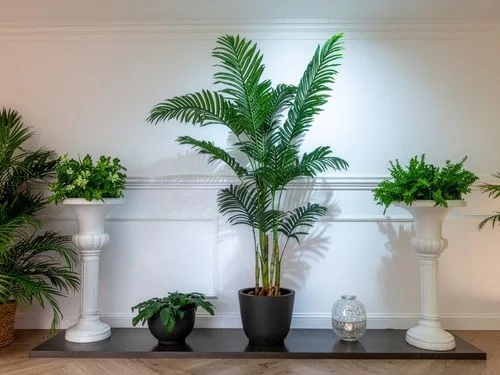
Using decorative pots and containers enhances the aesthetic appeal of your plants. Materials like ceramic, terracotta, and woven baskets add personality and complement your interior design. Rotating plants occasionally ensures even growth and prevents them from leaning toward light sources, keeping your home visually balanced and full of life.
Seasonal Indoor Plant Care
Indoor plants still experience seasonal changes, and adjusting care routines accordingly is essential. During winter, growth slows down, and plants require less water and fertilizer. Summer often calls for more attention to watering and humidity, especially for tropical species. Observing the plant’s behaviour and adapting care practices ensures year-round health and vibrancy.
Seasonal rotation of plants to optimize light exposure can also make a difference. Moving sun-loving plants closer to windows in winter and relocating sensitive ones away from direct sunlight in summer protects them from environmental stress. Seasonal awareness allows plants to thrive naturally in harmony with their environment.
Kgorge—Your Backyard, Better Protected and Beautifully Designed
KGORGE turns ordinary outdoor spaces into comfortable retreats you can enjoy all year long. From weather-proof privacy curtains to sun-shielding shade sails and bug-blocking gazebo panels, every detail is made for real outdoor living. Built for protection, privacy, and lasting durability, these essentials let you relax without worry. Visit kgorge.com and upgrade your space in total comfort.
Benefits of Indoor Plants
The advantages of having indoor plants extend beyond beauty. Studies show that indoor greenery reduces stress, enhances focus, and boosts overall mood. Plants can absorb pollutants, improve air quality, and increase humidity, making indoor spaces healthier. The presence of greenery can also reduce noise levels by absorbing sound, creating a more peaceful and serene home.
Caring for plants provides a sense of accomplishment and routine. Observing growth, flowering, and new leaf emergence fosters a connection to nature even in urban settings. For families, involving children in plant care encourages responsibility and curiosity about the natural world. Indoor plants, therefore, contribute to both physical and emotional well-being, making them invaluable companions in any home.
Troubleshooting Common Issues
Even with the best care, indoor plants may face problems. Yellow leaves, brown tips, stunted growth, or drooping can indicate underlying issues such as overwatering, underwatering, insufficient light, or pest infestations. Identifying the problem early and adjusting care routines is crucial. Keeping a journal of watering schedules, light conditions, and fertilizing practices can help track plant health and prevent future issues.
Learning to read plant signals is an essential skill for indoor gardening. Each species has unique signs of stress or thriving. With experience, plant owners develop intuition and confidence in diagnosing and correcting problems. Troubleshooting becomes part of the joy of nurturing a living, evolving home environment.
Starting Small and Expanding Gradually
For those new to indoor gardening, starting with a few easy-to-care-for plants is a practical approach. Focus on mastering their care before gradually expanding your collection. Mixing low-maintenance plants with a few statement pieces allows you to create a visually appealing space without feeling overwhelmed.
As confidence and knowledge grow, experimenting with exotic or delicate species becomes more feasible. Indoor gardening is a journey that evolves. The key is to enjoy the process, celebrate small successes, and embrace learning moments. Gradual expansion ensures long-term enjoyment and a sustainable indoor plant environment.
Transform Your Space with Indoor Plants
Creating a thriving indoor plant home requires attention, care, and creativity. By selecting the right plants, understanding their light and water needs, maintaining proper humidity and temperature, and addressing pests and seasonal changes, you can cultivate a green space that enhances your home and well-being. Beyond aesthetics, indoor plants offer tangible benefits for mental health, air quality, and overall comfort.
Whether you start with a few simple succulents or build a lush indoor jungle, the rewards of indoor gardening are endless. With patience, observation, and a touch of creativity, your home can become a vibrant sanctuary filled with life and energy. Indoor plants are more than decoration; they are companions that transform spaces, nurture minds, and create a harmonious, natural connection within your home.