



 There’s a quiet design mistake that shows up in far too many homes—beautiful furniture, carefully chosen paint colors, maybe even a statement rug… and then completely forgettable window blinds. The kind that look like they were installed by default and never questioned again.
Blinds have a strange reputation. People treat them like background noise—purely functional, rarely intentional. But here’s the truth: bad blinds can flatten a room just as quickly as great ones can elevate it. They control light, define mood, and—whether you realize it or not—frame how every other design choice is seen.
The good news? You don’t need a full renovation to fix it. You just need to stop choosing blinds like an afterthought.
| Reality Check: Most Blinds Are Chosen Wrong
Most people don’t choose blinds—they settle for whatever feels “safe.” The result? A space that looks fine… but never quite feels finished. |
The First Rule: Stop Buying Blinds Like It’s 2005
Let’s get this out of the way.
Those flimsy plastic blinds with thin, rattling slats? They’ve overstayed their welcome. They bend, they tangle, they collect dust like it’s their job—and worst of all, they make your space feel temporary.
Even if the rest of your home looks put together, outdated blinds quietly drag everything down.
What actually works now:
-
Matte-finish aluminum blinds
Clean, minimal, and far more refined than their shiny predecessors. -
Faux wood blinds
They give you the warmth of wood without the warping, especially in humid environments. -
Textured roller blinds
Understated but effective—these are what people choose when they don’t want their blinds screaming for attention.
If your blinds feel like something you’ve “just lived with,” that’s usually a sign they need to go.

Upgrade Your Everyday Ritual
High-quality basics make all the difference—whether it’s fashion or skincare. The Yves Rocher Discovery Kit is your shortcut to a thoughtful, indulgent routine. It offers plant-powered serums and creams that help maintain hydration, protect your skin barrier, and leave your complexion radiant. Consider it the “investment piece” of your daily skincare wardrobe.
Color Isn’t Just Decoration—It’s Mood Control
Most people default to white or beige because it feels safe. And yes, safe works—but it can also feel forgettable.
Blinds take up more visual space than you think. That means color isn’t just an accent—it’s part of the room’s foundation.
Here’s how to think about it:
-
Warm tones (clay, tan, soft browns)
Make a room feel grounded and comfortable. -
Deep shades (charcoal, navy, forest green)
Add weight and sophistication—especially in larger spaces. -
Light neutrals (off-white, sand)
Keep things airy but can fall flat if everything else is also neutral.
And then there are metallics—bronze, champagne, brushed gold. Used sparingly, they add just enough edge without tipping into excess.
The mistake to avoid:
Trying to make blinds “blend in” so much that they disappear. When everything blends, nothing stands out—including your design.
| Safe Isn’t Always Better
Neutral blinds are easy—but they’re also forgettable. Sometimes one bold choice is what makes a room feel intentional. |
Choose Based on Light, Not Just Looks
This is where most people get it wrong.
They pick blinds based on how they look in a showroom, not how they behave in real light.
And light changes everything.
| Don’t Ignore the Light
Watch how sunlight moves through your space during the day. Blinds that look good in a showroom can fail completely in real conditions—too bright, too dark, or uncomfortable to live with. |
Ask yourself:
-
Does the room get harsh afternoon sun?
-
Is it naturally dim?
-
Do you need privacy at night without blocking daylight?
Because the wrong blinds will make these problems worse.
Real-world scenarios:
-
Bright, sun-heavy rooms
You’ll need blinds that actually block or diffuse light—thin materials won’t cut it. -
Low-light spaces
Heavy or dark blinds will make the room feel smaller and duller. -
Bedrooms
If your blinds don’t help you sleep, they’re failing—simple as that.
Blinds aren’t just decorative—they’re functional tools. Treat them that way.
| Quick Decision Shortcut
• Bright, hot room → Blackout or heat-reflective blinds Solve the room’s biggest problem first. |
Materials Matter More Than Trends
Trends come and go. Materials determine whether your blinds still look good a year from now.
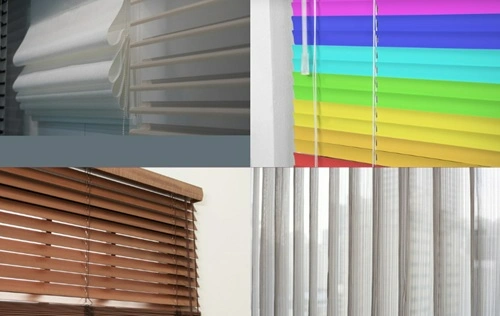
Quick Comparison: Which Blinds Actually Work for Your Space?
If you’re unsure what to choose, this breakdown makes it easier to see what works—and what doesn’t—at a glance.
| Blind Type | Best For | Avoid If | Climate Suitability | Maintenance |
|---|---|---|---|---|
| Faux Wood | Kitchens, humid spaces | Ultra-luxury look needed | Excellent in humidity | Easy |
| Real Wood | Living rooms, dry climates | Bathrooms, high moisture | Not for humid areas | Moderate |
| Aluminum / Metal | Modern, hot, sunny rooms | Cozy or soft interiors | Great for heat control | Very Easy |
| Roller Blinds | Minimalist spaces, bedrooms | Decor-heavy interiors | Varies by fabric | Easy |
| Fabric / Roman | Elegant, soft interiors | Dust-prone areas | Needs dry conditions | Moderate to High |
| Bamboo / Woven | Natural, airy spaces | Full blackout needed | Good airflow | Moderate |
What holds up:
-
Wood and faux wood
Timeless, versatile, and forgiving. -
Fabric (linen, woven textures)
Softer, more relaxed—great for spaces that shouldn’t feel rigid. -
Bamboo and natural weaves
Slightly imperfect in the best way. They add character without trying too hard.
What to be careful with:
-
Cheap plastics
-
Glossy finishes that show wear easily
-
Anything that feels fragile in your hands
A simple test: if it feels flimsy before you install it, it won’t improve with time.
| How to Spot Cheap Blinds Instantly
Pick them up. If they feel flimsy or awkward, that’s exactly how they’ll perform over time. |
Best Blinds by Room: What Actually Works (and What Doesn’t)
Instead of guessing, use this quick breakdown to match each room with blinds that actually fit how the space is used.
| Room | Best Blind Type | Why It Works | Avoid | Pro Tip |
|---|---|---|---|---|
| Living Room | Wood / Layered (Blinds + Curtains) | Balances light + style without feeling flat | Plain vertical blinds | Layering instantly makes the space feel designed |
| Bedroom | Blackout Roller or Roman | Improves sleep by blocking light completely | Sheer-only blinds | Add curtains for better insulation and mood |
| Kitchen | Faux Wood or Aluminum | Handles heat, grease, and moisture | Fabric blinds | Go for easy-clean materials—you’ll thank yourself later |
| Bathroom | Aluminum / PVC / Faux Wood | Moisture-resistant and durable | Real wood | Ventilation matters—avoid trapping humidity |
| Home Office | Light-filtering Roller | Reduces glare without darkening the room | Heavy blackout (unless needed) | Position matters—control screen reflections |
| Dining Area | Roman / Fabric Blinds | Adds softness and warmth | Cold metallic blinds | Choose a texture to make the space feel inviting |
The Styles That Quietly Ruin a Room
Some blinds don’t just look outdated—they actively work against your space.
The usual suspects:
Vertical blinds (especially plain ones)
They tend to feel more like office leftovers than intentional design.
Mini blinds in default white
Functional, yes. Memorable? Not even close.
That doesn’t mean they’re unusable—it just means they need help.
| Outdated Blinds Ruin Good Interiors
You can have great furniture and lighting—but outdated blinds quietly undo all of it. They don’t stand out. They make everything else look worse. |
If you’re stuck with them:
-
Add sheer curtains to soften the look
-
Introduce texture around them (rugs, fabrics, wood elements)
-
Replace the hardware if possible
Sometimes it’s not about replacing everything—it’s about making what you have look intentional.
| The 7 PM Test
Turn on your lights at night and look at your windows. If your blinds only look good during the day, they’re only doing half the job. |
Layering Is What Separates “Nice” from “Designed”
If you’ve ever walked into a space that felt complete but couldn’t explain why—there’s a good chance layering was involved.
Blinds alone can feel a bit flat. Curtains alone can feel too soft. Together, they balance each other.
Combinations that work:
-
Blackout blinds + sheer curtains
Practical and visually balanced -
Wood blinds + linen drapes
Warm, relaxed, and timeless -
Roller blinds + heavier curtains
Clean structure with added depth
Layering isn’t about excess—it’s about control. Light, texture, and mood all become easier to manage.
Blinds vs Curtains vs Shades: What Actually Fits Your Space?
Each option does something different—choosing the right one depends on whether you need control, softness, or simplicity.
| Feature | Blinds | Curtains | Shades |
|---|---|---|---|
| Light Control | High (adjustable slats) | Low to Moderate | Moderate to High |
| Privacy | Strong | Varies by fabric | Strong |
| Style Impact | Clean, structured | Soft, decorative | Minimal, modern |
| Maintenance | Easy | Needs washing | Moderate |
| Best Use | Everyday control | Layering & softness | Minimal interiors |
| Biggest Weakness | Can feel cold alone | Limited control | Less decorative |
| Why Designers Layer
Blinds control light. Using both makes a space feel complete. |
The Quiet Rise of Smart Blinds
This is where things get interesting.
Smart blinds aren’t just a gimmick anymore—they’re becoming genuinely useful.
What they actually do:
-
Adjust automatically based on time of day
-
Reduce heat during peak sunlight hours
-
Add convenience, especially for hard-to-reach windows
They’re not essential for every home, but once you use them, it’s hard to go back—especially in spaces where light changes constantly.
Discover Your Skincare Investment
Just like choosing the right wardrobe investment, picking the right skincare is about quality and longevity. Meet your new obsession: Yves Rocher Discovery Kit—a plant-powered set designed for gentle, effective daily care. Perfect for beginners, luxury lovers, or eco-conscious beauty fans, this kit lets you explore hydrating, refreshing, and glow-boosting formulas that feel as good as they look.
If You Live Somewhere Hot or Humid, Read This Carefully
Climate isn’t just a side note—it should shape your choices.
In warm or humid environments, the wrong blinds will:
-
warp
-
fade
-
or simply stop looking good far too quickly
What works better:
-
Faux wood (handles moisture well)
-
Aluminum (resistant and low-maintenance)
-
Quality roller blinds with heat-reflective backing
What to avoid:
-
Untreated real wood in high humidity
-
Cheap materials that expand or discolor
Blinds that can’t handle your environment aren’t just inconvenient—they’re a waste of money.
| Your Environment Decides for You
In hot or humid spaces, the wrong blinds won’t just look bad—they’ll fail. Warping and fading are expensive mistakes. |
Maintenance: The Part Everyone Ignores (Until It’s Too Late)
Blinds don’t need constant attention—but they do need consistency.
Keep it simple:
-
Dust regularly
It prevents buildup that’s harder to remove later -
Use the right method for the material
Water isn’t always your friend—especially with wood -
Don’t wait until they look dirty
By then, cleaning becomes a chore instead of a quick task
Blinds that are easy to maintain tend to stay looking good longer. That alone is worth considering when you choose them.
What Most People Get Wrong About Blinds
Let’s be honest—these mistakes show up everywhere:
-
Choosing based on price alone
-
Ignoring how light changes throughout the day
-
Playing it too safe with color
-
Forgetting about texture entirely
-
Treating blinds as separate from the rest of the room
None of these is a dramatic mistake on its own. But together, they add up to a space that feels unfinished.
Common Blind Mistakes That Quietly Ruin Your Space
| What People Buy | What They Should Buy Instead | Why It Matters |
|---|---|---|
| Cheap plastic blinds | Faux wood or textured roller | Plastic looks temporary and wears out fast |
| All-white, default blinds | Warm neutrals or subtle contrast | Flat colors make the room feel unfinished |
| Vertical blinds (plain) | Layered blinds + curtains | Feels outdated and lacks depth |
| Real wood in humid areas | Faux wood or aluminum | Moisture causes warping and damage |
| Heavy blackout everywhere | Light-filtering where needed | Over-darkens spaces that need light |
So, What Should You Actually Do?
If you’re standing in a store (or scrolling online) trying to decide, here’s a simpler way to approach it:
-
Look at your room during different times of day
Let the light tell you what you need. -
Decide how much attention you want your blinds to get
Statement piece or quiet support? -
Choose materials that fit your lifestyle, not just your taste
Especially if you value low maintenance. -
Don’t be afraid to layer
It’s one of the easiest ways to elevate a space.
Cheap vs Premium Blinds: What You’re Really Paying For
The price difference isn’t just about branding—it shows up in durability, comfort, and how your space feels every day.
| Category | Cheap Blinds | Premium Blinds |
|---|---|---|
| Material Quality | Thin, lightweight, easily bent | Thicker, durable, solid feel |
| Appearance | Basic, often looks “temporary” | Refined, intentional, polished |
| Light Control | Limited, uneven coverage | Precise and consistent |
| Durability | Wears out quickly | Lasts for years |
| Maintenance | Can stain or discolor easily | Easier to maintain long-term |
| Cost (Per Window) | $20 – $80 | $150 – $500+ |
| Overall Value | Cheaper upfront, costly over time | Higher upfront, better long-term value |
| Think Beyond “Good Enough”
Blinds are easy to ignore—until you upgrade them. Then suddenly, the whole room feels different. |
Your Home Deserves Window Blinds Ideas That Matter
Blinds aren’t the most exciting part of a room—until they’re wrong. Then they’re all you notice.
The right blinds don’t just sit in the background. They shape how light moves, how colors feel, and how comfortable a space becomes over time. And once you get them right, everything else in the room starts to make more sense.
There’s a difference between a space that looks finished and one that feels considered. Window blinds play a bigger role in that distinction than most people realize. They influence light, privacy, and overall atmosphere in ways that quietly define how a room works day to day. Choosing them well isn’t about following trends—it’s about understanding your space and making decisions that hold up over time.
If there’s one takeaway, it’s this: stop treating blinds like a default choice. Pay attention to materials, think about how light actually behaves in your home, and make selections that feel intentional rather than convenient. When you do that, even something as simple as window blinds can elevate your entire space without trying too hard.