



Maintaining a home is more than just keeping it clean. A well-maintained house ensures safety, preserves property value, and creates a comfortable living environment for you and your family. Regular maintenance prevents small problems from turning into expensive repairs. Whether you are a new homeowner or have lived in your house for years, following a structured home maintenance routine can make your life easier and protect your investment. This guide will walk you through essential home maintenance tips for every season, from checking your roof to maintaining your appliances.
Why Home Maintenance Matters
Home maintenance is not just about appearances. It is about safety, efficiency, and long-term savings. For instance, a leaking roof left untreated can cause structural damage, mold growth, and even electrical hazards. Similarly, neglecting routine HVAC maintenance can increase energy bills and reduce the lifespan of your system. Performing regular checks allows you to identify issues early, saving money and stress over time.
Proper maintenance also improves your home’s energy efficiency. Sealing cracks, insulating your attic, and maintaining your appliances can significantly reduce utility bills. Beyond finances, a well-maintained home provides peace of mind. Knowing that your plumbing, electrical systems, and heating are functioning correctly ensures that your household operates smoothly and safely.
Seasonal Home Maintenance Checklist
A systematic approach is the best way to maintain a home. Seasonal checklists help you stay on top of chores without feeling overwhelmed. Here is a detailed guide for each season.

Spring
Spring is the perfect time to prepare your home for warmer weather. Start with exterior maintenance. Inspect your roof for missing or damaged shingles. Check gutters and downspouts for clogs and clean them thoroughly. Water accumulation in gutters can damage your roof and siding over time.
Examine your foundation for cracks. Small cracks can be repaired with concrete filler to prevent water intrusion, which can cause serious structural damage. Check doors and windows for drafts, and replace weather stripping if necessary. This improves energy efficiency and prevents pests from entering your home.
Inside, test smoke and carbon monoxide detectors to ensure they are functioning correctly. Spring is also a good time to schedule a professional HVAC inspection before summer heat sets in. Clean air conditioning units, replace filters, and remove debris around outdoor units.
Summer
Summer maintenance focuses on keeping your home cool and safe during warmer months. Inspect your deck or patio for signs of rot, loose boards, or rusted nails. Power wash surfaces to remove mold or dirt buildup and apply a fresh coat of sealant to protect wood.
Check your plumbing for leaks, especially outdoor faucets and irrigation systems. Leaks can waste water and increase your utility bills. Inspect your attic for proper ventilation and insulation. Poor attic insulation can make your cooling system work harder, increasing energy costs.
Appliances such as refrigerators, freezers, and washing machines also benefit from summer checks. Clean the coils of your refrigerator to improve efficiency and check hoses for wear and tear. Additionally, clean your windows and screens to maximize natural light and airflow.
Fall
Fall is a critical season for preparing your home for colder weather. Inspect your heating system and schedule professional servicing if needed. Replace furnace filters and check thermostats to ensure efficient operation.
Clean gutters and downspouts again, as falling leaves can cause blockages. Trim tree branches near your house to prevent damage from strong winds or heavy snow. Inspect your roof for leaks and repair any minor issues before winter sets in.
Seal gaps around doors and windows with caulking or weather stripping to prevent heat loss. Consider adding insulation to your attic or basement to improve energy efficiency. Test your sump pump to ensure it works properly and prevent basement flooding.
Winter
Winter maintenance emphasizes safety and protection against extreme weather. Inspect your home’s exterior for ice dams and icicles, which can damage gutters and roofing. Ensure walkways and driveways are free from ice to prevent slips and falls.
Check your plumbing for frozen pipes, particularly in unheated areas like basements, attics, and crawl spaces. Insulate exposed pipes and keep a slow trickle of water running during extremely cold nights to prevent freezing.
Monitor your heating system throughout the season. Keep vents clear and clean to maintain good airflow. Stock up on emergency supplies such as batteries, flashlights, and blankets in case of power outages. Winter is also a good time to inspect your home’s insulation and address any gaps that may be letting cold air in.
Routine Home Maintenance Tips
Beyond seasonal maintenance, there are daily, weekly, and monthly tasks that can keep your home in excellent condition.
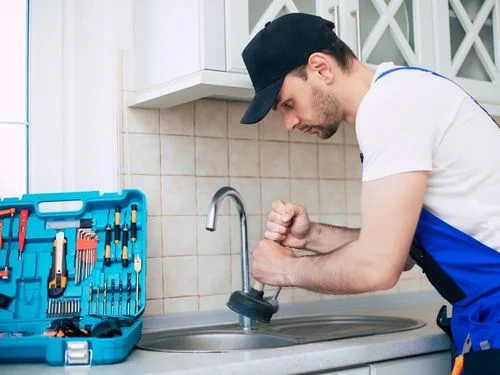
Daily and Weekly Tasks
- Clean high-traffic areas to prevent dust and dirt buildup. Sweeping, mopping, and vacuuming floors can protect surfaces from scratches and wear.
- Check smoke alarms regularly to ensure they are operational. Replace batteries every six months to stay safe.
- Wipe kitchen surfaces after each use to prevent bacteria and mold growth. Pay special attention to cutting boards and sinks.
Weekly tasks include checking the HVAC system for unusual noises, inspecting plumbing for minor leaks, and cleaning drains to prevent clogs. Maintaining appliances like dishwashers and washing machines can extend their lifespan and keep them working efficiently.
Monthly Tasks
- Inspect plumbing fixtures for leaks or corrosion. A small drip can waste hundreds of gallons of water annually.
- Clean kitchen and bathroom vents to improve air circulation and reduce mold growth.
- Test water heater pressure relief valves to ensure they function correctly. Malfunctioning valves can cause tank failure or flooding.
Additionally, check windows and doors for signs of moisture, drafts, or damage: Lubricate door hinges and locks to prevent rust and stiffness. Monthly inspections save you from sudden, costly repairs and help maintain the aesthetic appeal of your home.
Home Exterior Maintenance
The exterior of your home is exposed to harsh weather conditions year-round. Maintaining it ensures structural integrity and curb appeal.
- Roof maintenance is essential. Inspect shingles, flashing, and chimneys for damage. Replace any missing or damaged shingles promptly.
- Gutters and downspouts should be cleaned regularly to prevent water damage. Consider installing gutter guards to reduce debris accumulation.
- Exterior walls benefit from periodic washing to remove dirt, mold, and mildew. Inspect siding for cracks or decay and repair as needed.
- Landscaping also plays a role. Trim trees and bushes to prevent damage to your home and maintain a neat appearance. Proper drainage around the foundation reduces water-related issues.
Plumbing and Electrical Maintenance
Plumbing and electrical systems are the backbone of a safe and functional home. Regular maintenance prevents costly emergencies.
- Plumbing: Check for leaks, corrosion, and low water pressure—flush water heaters to remove sediment buildup. Inspect pipes in basements, attics, and crawl spaces for signs of freezing.
- Electrical: Test outlets, circuit breakers, and GFCI outlets in bathrooms and kitchens. Ensure cords and plugs are in good condition. Schedule professional inspections for older homes to prevent fire hazards.
Regular plumbing and electrical maintenance not only ensures safety but also prevents water damage, fire risks, and high utility bills.
Appliance Maintenance
Modern homes rely heavily on appliances for daily convenience. Proper maintenance extends their life and improves efficiency.
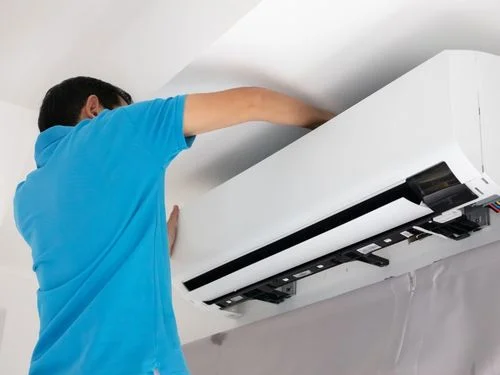
- Refrigerators and freezers: Clean condenser coils, check door seals, and defrost if necessary.
- Washing machines: Inspect hoses for leaks and clean filters to prevent clogs.
- Ovens and stovetops: Clean regularly to prevent grease buildup, which can cause fires.
Appliance manuals often contain maintenance schedules and tips. Following these guidelines ensures optimal performance and reduces repair costs.
Energy Efficiency Tips
Maintaining a home also involves optimizing energy use. Small changes can have a big impact on comfort and bills.
- Seal air leaks around windows, doors, and ductwork.
- Upgrade insulation in attics and basements to reduce heating and cooling needs.
- Maintain HVAC systems by replacing filters and scheduling professional checkups.
- Use energy-efficient appliances and lighting to reduce consumption.
Energy-efficient homes are more comfortable and environmentally friendly. They also increase property value and reduce long-term costs.
Safety and Security Maintenance
A home that is well-maintained is also safer and more secure. Regularly check:
- Smoke and carbon monoxide detectors to ensure they are working properly.
- Fire extinguishers for accessibility and expiration dates.
- Locks, doors, and windows for security. Repair or replace faulty components immediately.
- Emergency preparedness supplies such as first aid kits, flashlights, and batteries.
Safety-focused maintenance protects your family and reduces the risk of accidents or property damage.
Tips for a Stress-Free Home Maintenance Routine
Creating a schedule makes home maintenance manageable. Consider these tips:
- Use a checklist to track seasonal and monthly tasks. This ensures nothing is overlooked.
- Prioritize tasks by urgency. Address issues that could cause damage or safety concerns first.
- Budget for maintenance. Set aside funds each month for repairs and updates.
- Hire professionals when needed. Plumbing, electrical, or structural issues often require expert attention.
- Keep records of maintenance work. This helps with future repairs, insurance claims, and resale value.
Breaking maintenance into manageable tasks prevents overwhelm and keeps your home in excellent condition year-round.
Keeping Your Home Safe and Comfortable
Home maintenance may seem daunting, but it is a critical part of responsible homeownership. Regular inspections, seasonal upkeep, and attention to plumbing, electrical, and appliances prevent costly repairs and enhance comfort. By investing time and effort into maintaining your home, you ensure its safety, efficiency, and long-term value.
From cleaning gutters in spring to insulating pipes in winter, these home maintenance tips guide you through the year. The key is consistency. A little effort now can save thousands of dollars and countless headaches later. Create a schedule, stick to it, and enjoy a home that remains a sanctuary for years to come.
By following this comprehensive approach, you not only protect your investment but also create a space that is safe, comfortable, and welcoming for your family. Remember, a well-maintained home is a happy home.