



A clean kitchen is more than just visually appealing. It is essential for maintaining hygiene, preventing foodborne illnesses, and creating a space where cooking becomes enjoyable rather than stressful. Whether you are a home chef, a busy parent, or someone who enjoys hosting gatherings, knowing the best kitchen cleaning strategies can save time, energy, and even money. This guide will walk you through comprehensive tips, practical routines, and smart products that make kitchen cleaning simpler and more effective.
Top 11 Kitchen Cleaning Hacks for a Fresh and Healthy Space
1. Start with a Daily Cleaning Routine
The key to a spotless kitchen is consistency. Daily cleaning prevents grime, stains, and odors from building up. Begin each day or evening by wiping down countertops, stovetops, and kitchen sinks. Use a gentle but effective cleaner suited to your countertop material, such as a mild dish soap solution for laminate surfaces or a pH-neutral cleaner for granite and marble.
After preparing meals, wash dishes promptly. Leaving dishes to pile up increases the risk of bacteria growth and creates a more challenging cleaning task later. If you have a dishwasher, scrape leftovers into the trash or compost before loading. For items that must be hand-washed, soak pots and pans for a few minutes to loosen stubborn food particles, making cleaning faster and easier.
Example:
A busy family of four can maintain a clean kitchen by assigning small daily tasks. One person handles dishwashing, another wipes surfaces, and another sweeps the floor. By dividing responsibilities, the workload becomes manageable, and the kitchen stays organized without a long weekly cleaning session.
2. Deep Clean the Sink and Faucet
The kitchen sink is often overlooked, but it is a hotspot for bacteria. To keep it sanitary, scrub the sink basin with a non-abrasive sponge and a mixture of baking soda and water. For extra freshness, pour white vinegar over the baking soda to create a fizzing reaction that helps remove stains and disinfect the surface.

Don’t forget the faucet handles and drain area, which often accumulate grime. A small toothbrush or cleaning brush works well for scrubbing tight spaces. For stainless steel sinks, dry the sink with a microfiber cloth after cleaning to prevent water spots and maintain a polished look.
Example:
A vinegar and baking soda routine once a week can prevent odors and keep the sink sparkling. Pouring a little lemon juice into the drain can also help neutralize unpleasant smells while leaving a fresh scent.
3. Maintain Clean Counters and Cutting Boards
Countertops are the main workspace in your kitchen and often harbor bacteria from raw food preparation. Use a cutting board for all chopping tasks, and have separate boards for raw meats, vegetables, and cooked food to avoid cross-contamination. Clean cutting boards immediately after use with hot, soapy water and sanitize them weekly with a vinegar solution or diluted bleach.
For countertops, remove crumbs and spills immediately. Wipe surfaces with a microfiber cloth and a gentle cleaner that suits the material. For stubborn stains on quartz or granite, make a paste of baking soda and water, apply it to the stain, let it sit for a few minutes, and wipe clean.
Example:
A small prep station with a chopping board, knife rack, and counter organizer not only makes cooking easier but also ensures the workspace stays clean. Investing in color-coded cutting boards can further prevent cross-contamination and save time.
4. Keep Appliances Spotless
Kitchen appliances are essential, but they often collect grease, spills, and dust. Regular cleaning extends their lifespan and ensures they work efficiently. For ovens, remove racks and soak them in hot water mixed with dish soap. For interior oven cleaning, use a baking soda and water paste to tackle burnt-on grime, leaving it to sit overnight if necessary before scrubbing.
Microwaves can be cleaned by steaming a bowl of water with lemon juice for five minutes, then wiping down the interior with a soft cloth. Refrigerators should be cleaned monthly, discarding expired items and wiping shelves and drawers with warm, soapy water. Don’t forget to vacuum the refrigerator coils and clean the exterior regularly.
Example:
For coffee machines, run a mixture of equal parts water and vinegar through a brewing cycle once a month. This removes scale buildup and keeps your coffee tasting fresh. Similarly, small countertop appliances like blenders or food processors should be disassembled and cleaned after each use.
5. Organize Cabinets and Pantry
A cluttered kitchen can feel messy even if everything is clean. Regularly organizing cabinets and pantry shelves makes cleaning easier and improves efficiency. Group similar items together, label containers, and use clear jars for dry goods like pasta, rice, and cereal.
Check expiration dates monthly and rotate stock to use older items first. Consider installing pull-out shelves or lazy Susans in deep cabinets to reach items easily without spilling or knocking over other products.
Example:
A well-organized pantry allows you to see what ingredients are available quickly and reduces the temptation to stockpile, which can lead to expired food. Clear containers also make it easier to spot spills, making cleaning faster.
6. Focus on the Floors
Kitchen floors are prone to spills, crumbs, and grease. Daily sweeping or vacuuming prevents dirt from spreading and reduces slip hazards. For a deeper clean, mop with warm water and a floor-safe cleaner once or twice a week. Pay extra attention to areas under the sink, near the stove, and behind appliances where debris can accumulate.

For stubborn stains on tile floors, a paste of baking soda and water left for a few minutes before scrubbing with a brush can lift grime effectively. Hardwood floors should be treated with gentle, non-abrasive cleaners to prevent damage.
Example:
A small floor mat in front of the sink or stove can catch spills and crumbs, making daily cleanup easier. These mats should be washed weekly to maintain hygiene.
7. Tackle Grease and Stains on Walls and Backsplashes
Grease splatters from cooking can accumulate on walls and backsplashes, creating a sticky, hard-to-clean surface. Use a degreasing spray or a mixture of warm water and dish soap to wipe down these areas. For tiled backsplashes, a sponge or soft brush helps clean grout lines effectively.
If stains persist, a paste of baking soda and water applied to the affected area and wiped clean after a few minutes can lift stubborn grease. Regular cleaning prevents buildup and makes maintaining a sparkling kitchen easier.
Example:
Cleaning the backsplash weekly can prevent the need for intensive scrubbing. A quick wipe after cooking, especially when frying or using oils, keeps grease from becoming sticky or staining grout.
8. Maintain Cleaning Tools
Your cleaning tools are just as important as the cleaning products you use. Sponges, brushes, and cloths can harbor bacteria if not cleaned properly. Rinse and wring out sponges after each use and replace them every two weeks. Wash microfiber cloths in hot water and avoid fabric softeners, which reduce their effectiveness.

Mops should be rinsed thoroughly, dried, and stored in a ventilated area to prevent mildew. Keeping your cleaning tools in top condition ensures your kitchen cleaning is safe and efficient.
Example:
A small basket for cleaning supplies, including a separate section for sponges, brushes, and cloths, keeps everything organized. This makes it easier to grab the right tool for the task and encourages frequent cleaning.
9. Use Natural Cleaning Solutions
Many natural cleaning solutions are effective, affordable, and environmentally friendly. White vinegar, baking soda, lemon juice, and olive oil can tackle a variety of cleaning tasks. Vinegar is a powerful disinfectant and works well on glass, stainless steel, and countertops. Baking soda is mildly abrasive and perfect for scrubbing stains or deodorizing sinks. Lemon juice provides natural antibacterial properties and leaves a fresh scent.
Mixing these natural ingredients often creates a versatile cleaner that can replace harsh chemical products, keeping your kitchen safe for food preparation and family use.
Example:
A simple all-purpose cleaner can be made by combining equal parts water and vinegar in a spray bottle with a few drops of essential oil for fragrance. This mixture works on counters, cabinets, and appliances, reducing the need for multiple chemical products.
10. Implement Seasonal Deep Cleaning
Beyond daily and weekly cleaning, seasonal deep cleaning ensures your kitchen remains in top condition. This includes defrosting and cleaning the freezer, checking pantry stock, cleaning behind large appliances, and scrubbing walls and ceilings if needed. Deep cleaning also offers an opportunity to declutter, reorganize, and assess which kitchen items are no longer needed.
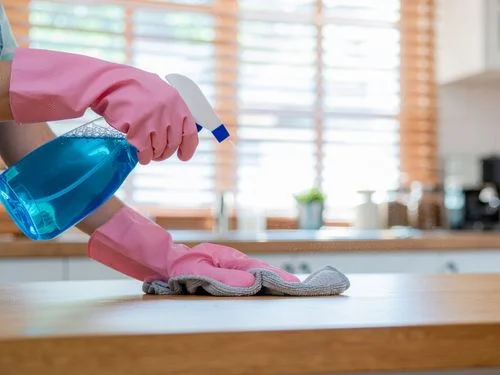
Seasonal cleaning can be broken down into manageable tasks over a weekend, preventing the process from feeling overwhelming. Use this time to maintain not only hygiene but also the overall organization and functionality of your kitchen.
Example:
Every spring or fall, plan a full kitchen deep clean. Move the refrigerator and stove to clean underneath, wipe down the top shelves of cabinets, and polish all stainless steel appliances. This approach not only refreshes your kitchen but also prevents long-term buildup and keeps your space enjoyable to use.
11. Maintain a Cleaning Schedule
A cleaning schedule helps maintain order and prevents small chores from piling up. Divide tasks into daily, weekly, and monthly categories. Daily tasks include wiping counters, washing dishes, and sweeping. Weekly tasks can involve mopping floors, cleaning appliances, and wiping cabinet doors. Monthly tasks may include deep cleaning the oven, organizing the pantry, and checking expiration dates.
Using a checklist or digital reminder can ensure that tasks are consistently performed. This approach reduces stress, saves time, and guarantees a hygienic kitchen.
Example:
A family can post a visible cleaning schedule on the fridge. Assigning specific tasks to each family member and rotating responsibilities keeps everyone involved and makes cleaning more efficient.
Maintaining a Clean Kitchen for Health and Comfort
Maintaining a clean kitchen requires regular attention, a practical system, and the right tools. By incorporating daily routines, deep-cleaning sessions, and smart organizational strategies, you can create a kitchen that is hygienic, efficient, and enjoyable to work in. Focusing on sinks, counters, appliances, floors, and storage areas ensures no corner is overlooked, while using natural cleaning solutions and properly maintaining tools keeps the process safe and sustainable.
A clean kitchen is more than an aesthetic choice. It promotes health, simplifies cooking, and enhances the overall comfort of your home. Whether you are tackling spills immediately, implementing a seasonal deep clean, or keeping a well-organized pantry, consistent effort leads to a kitchen that sparkles, stays organized, and feels welcoming every day.