

8 Shocking Facts About Rockwool Insulation You Need To Know Before Renovating


Modern construction and renovation trends continue to shift toward materials that deliver stronger performance without adding complexity to installation or maintenance. One material that keeps appearing in recent building discussions and updated home improvement guides is rockwool insulation. It has gained attention for its ability to improve comfort, reduce noise, and enhance fire safety in both residential and commercial spaces.
What sets this material apart is its balance between practicality and long-term performance. It is designed to handle heat, sound, and moisture in ways that many traditional insulation products struggle to match. As more homeowners seek energy savings and safer building materials, demand continues to grow across different regions and climates.
What Makes Rockwool Insulation Stand Out In Modern Construction
Rockwool insulation is made from natural volcanic rock, melted and spun into dense fibers. This structure gives it a unique combination of strength and flexibility. Unlike softer insulation materials, it holds its shape well, which helps maintain consistent performance over time.
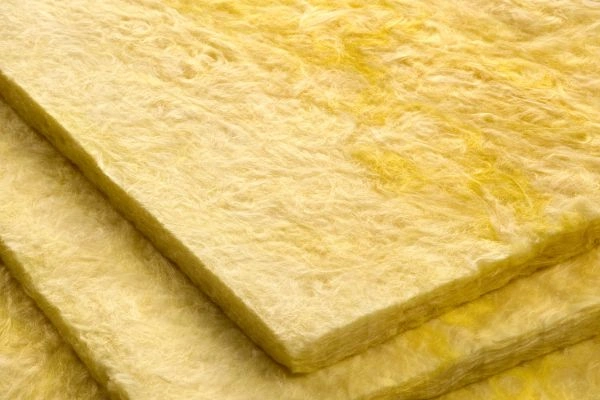
Recent industry discussions highlight that builders are increasingly choosing rockwool insulation for projects that require both thermal control and fire resistance. It is commonly used in walls, ceilings, and floors where long-term stability matters. Its resistance to sagging and compression also makes it a preferred option in high-performance construction projects.
The Science Behind Rockwool Insulation Performance
The effectiveness of rockwool insulation stems from its dense fiber structure, which traps air pockets and slows heat transfer. This structure helps regulate indoor temperatures by reducing heat loss in colder months and limiting heat gain in warmer months.
At the same time, its fiber density helps absorb sound waves, reducing noise transmission between rooms. This dual performance in both thermal and acoustic control is one of the key reasons it is frequently recommended in updated building material reviews and construction guides.
Why Fire Resistance Matters More Than Ever
Fire safety remains one of the most important factors in modern building design, especially as homes and commercial spaces incorporate more electrical systems and synthetic materials. Rockwool insulation is naturally non-combustible, which means it does not contribute to the spread of flames.
This fire-resistant quality has made it a strong choice for both residential and commercial projects as safety regulations become stricter. It can withstand extremely high temperatures without melting or releasing toxic gases, adding an extra layer of protection to building structures.
1. Soundproofing Benefits That Homeowners Notice Immediately
Noise control has become a major concern in urban living spaces, shared housing, and multi-story buildings. Rockwool insulation is widely recognized for its ability to reduce airborne and impact noise between walls and floors.
The dense fiber structure effectively absorbs sound vibrations, making rooms quieter and more private. This is especially useful in home offices, bedrooms, and apartment units where reducing external noise significantly improves comfort and focus.
2. Energy Efficiency And Lower Utility Bills
One of the most practical advantages of rockwool insulation is its contribution to energy efficiency. Reducing heat transfer helps maintain stable indoor temperatures, reducing reliance on heating and cooling systems.
Over time, this can result in significant reductions in energy consumption. Updated building efficiency reports continue to highlight insulation as one of the most effective ways to reduce long-term utility costs while improving indoor comfort.
3. Installation Process And Common Mistakes
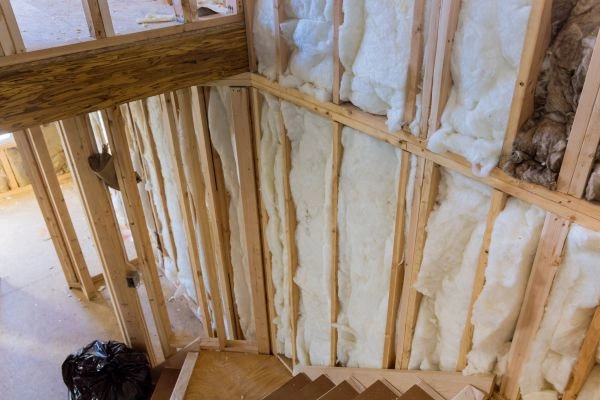
Installing rockwool insulation is generally straightforward, but proper handling is important to achieve full performance benefits. It is typically cut to fit wall cavities, ceilings, and floors, where it remains securely in place due to its rigid structure.
However, common mistakes include improper sizing, leaving gaps, or compressing the material too tightly. These issues can reduce its effectiveness in both thermal and acoustic performance. Careful installation ensures that the insulation maintains its intended density and coverage.
4. Rockwool Insulation In Renovation Projects
Renovation projects often involve upgrading older insulation systems that no longer meet modern efficiency standards. Rockwool insulation is frequently used in these upgrades because it can be installed without major structural changes.
It is especially useful in older homes where noise control and energy efficiency were not priorities during original construction. Adding rockwool insulation during renovations can significantly improve comfort levels without requiring full structural replacement.
5. Cost Breakdown And Long-Term Value
The initial cost of rockwool insulation is generally higher than that of some basic insulation materials. However, its long-term value is often considered stronger due to durability and performance stability.
Because it maintains its shape and effectiveness over time, it reduces the need for frequent replacement or upgrades. Many recent construction cost analyses emphasize that higher-quality insulation often results in lower maintenance and energy costs over a building’s lifespan.
6. Rockwool Insulation Vs Fiberglass And Foam
Comparisons between insulation types often highlight differences in performance, safety, and durability. Fiberglass insulation is widely used for its affordability, but it may not offer the same level of fire resistance or soundproofing.
Foam insulation offers strong air sealing but can vary in environmental impact depending on formulation. Rockwool insulation is often positioned as a balanced option, offering strong fire resistance, sound absorption, and long-term stability without relying heavily on chemical-based materials.
7. Sustainability And Environmental Impact
Sustainability has become a major focus in building materials, and rockwool insulation is often discussed in this context due to its natural stone-based composition. It is produced using abundant raw materials and can be recycled in some manufacturing systems.
Recent construction discussions emphasize the importance of reducing environmental impact without sacrificing performance. Rockwool insulation is frequently included in eco-conscious building designs because it supports energy efficiency and reduces long-term resource consumption.
8. Indoor Air Quality And Health Considerations
Indoor air quality is an important factor in modern home design. Rockwool insulation is generally stable once installed and does not release harmful substances under normal conditions.
Its moisture resistance also helps reduce the risk of mold growth, which can negatively affect air quality. This makes it a strong option for maintaining healthier indoor environments, especially in humid or variable climates.
Common Myths About Rockwool Insulation
Several misconceptions still surround rockwool insulation, particularly regarding safety and installation difficulty. One common myth is that it is unsafe to handle, but proper protective measures during installation make it manageable.
Another misconception is that it absorbs moisture easily; in reality, it is designed to repel water while maintaining its insulating structure. Clarifying these misunderstandings helps homeowners make more informed decisions when selecting insulation materials.
Where Rockwool Insulation Works Best
Rockwool insulation is highly versatile and can be used in residential homes, office buildings, and commercial structures. It performs particularly well in areas that require sound control, such as shared walls and ceilings.
It is also effective in exterior walls where temperature regulation is important. Its durability makes it suitable for both new construction and renovation projects where long-term performance is a priority.
Structural Durability And Moisture Resistance
One of the key strengths of rockwool insulation is its ability to maintain structural integrity over time. It does not easily sag or break down, which helps preserve consistent insulation performance.
Its moisture-resistant properties also help prevent water absorption, reducing the risk of damage in humid environments. This combination of durability and resistance makes it a reliable choice for long-term building applications.
Rockwool Insulation Performance And Use
Industry updates and recent construction discussions continue to reveal surprising insights about rockwool insulation. It is often found to outperform many traditional materials in fire safety testing, sound reduction ratings, and thermal stability assessments. It also remains effective across a wide range of temperatures without significant degradation.
Another notable insight is its adaptability in both residential and commercial environments. It is used in everything from small home renovations to large-scale industrial projects. Its ability to combine multiple performance benefits in a single material is one of the reasons it continues to gain attention in modern building practices.
Frequently Asked Questions
- What Is Rockwool Insulation Used For?
Rockwool insulation is used to improve thermal performance, reduce noise, and enhance fire safety in residential and commercial building walls, ceilings, and floors.
- Is Rockwool Insulation Better Than Fiberglass?
Rockwool insulation generally offers better fire resistance and soundproofing than fiberglass, while also providing strong long-term durability and stability.
- Does Rockwool Insulation Help Reduce Energy Bills?
Yes, rockwool insulation improves thermal efficiency, helping reduce heating and cooling costs by maintaining more stable indoor temperatures year-round.
- Is Rockwool Insulation Safe For Indoor Use?
Once installed correctly, rockwool insulation is stable and does not release harmful substances, making it safe for indoor environments.
- How Long Does Rockwool Insulation Last?
Rockwool insulation is designed for long-term use and can last for decades without significant loss of performance when properly installed.
Key Takeaways on Rockwool Insulation
Rockwool insulation continues to stand out as a reliable choice for improving comfort, safety, and energy efficiency in modern buildings. Its strong performance in heat control, sound reduction, and fire resistance makes it a practical upgrade for both new construction and renovation projects. When properly installed, it delivers long-term benefits that go beyond basic insulation.